3BC enjoyed visiting the local synagogue today where we impressed everyone with our knowledge about Judaism and the synagogue and asked some thoughtful questions.
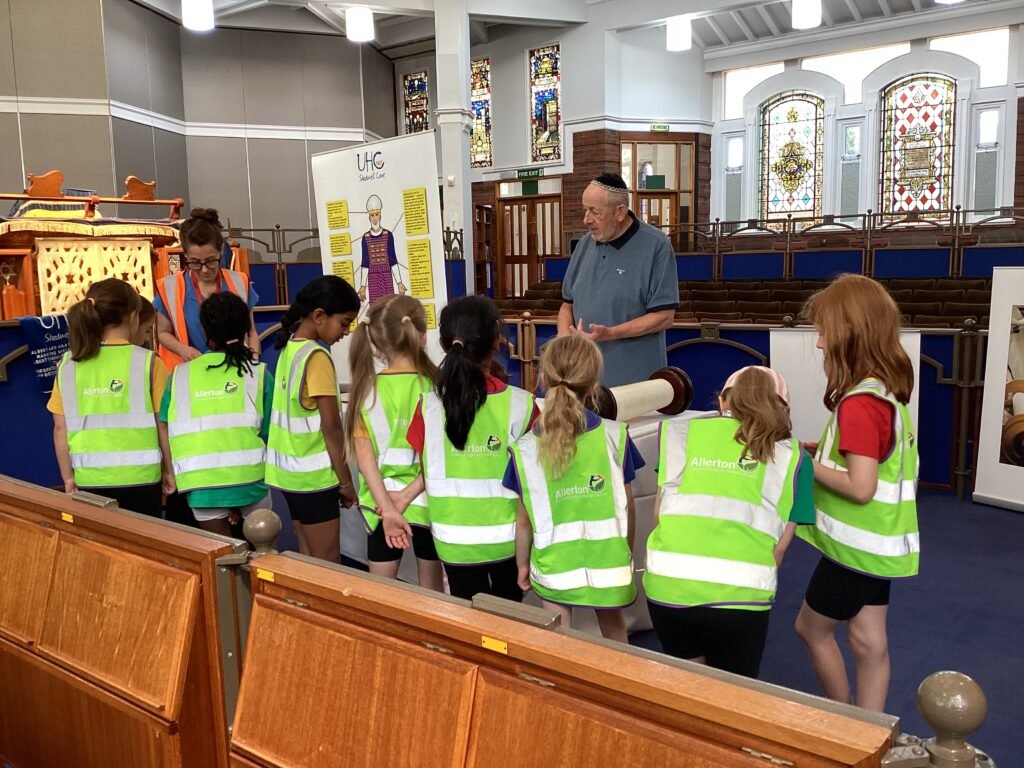
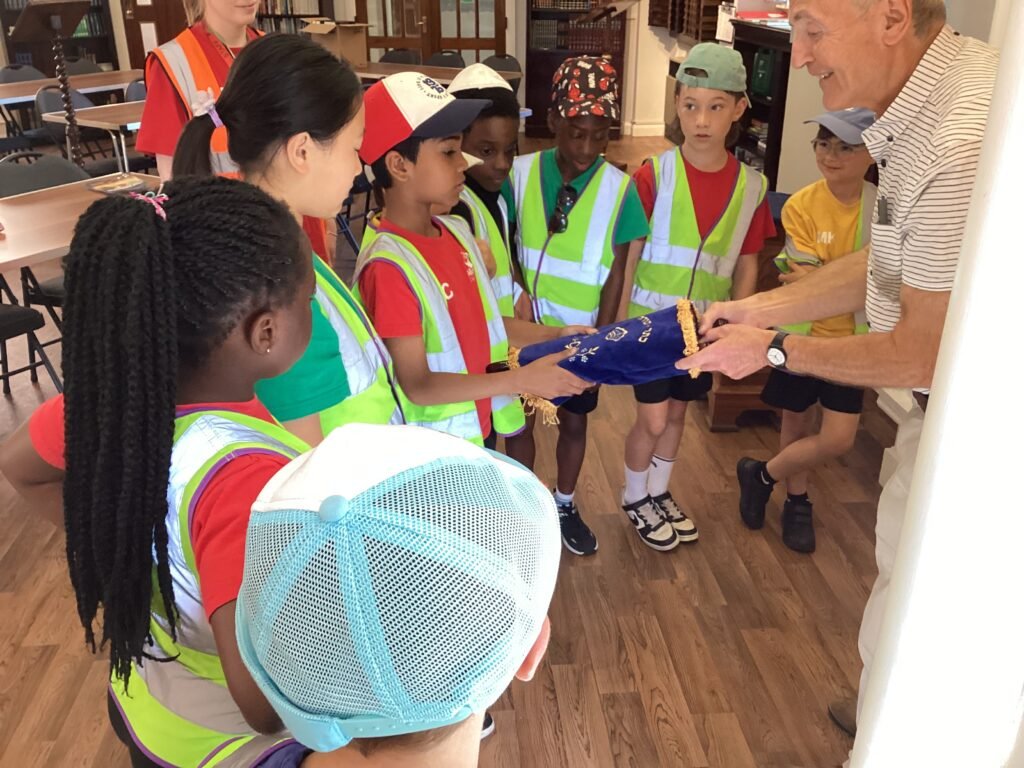
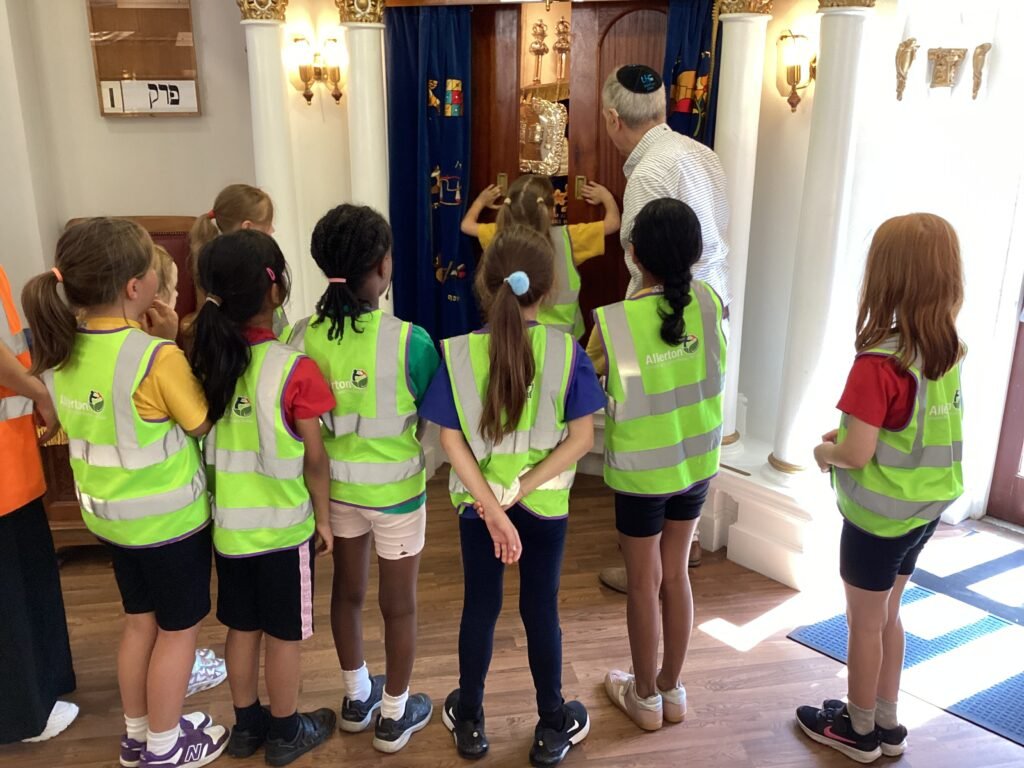
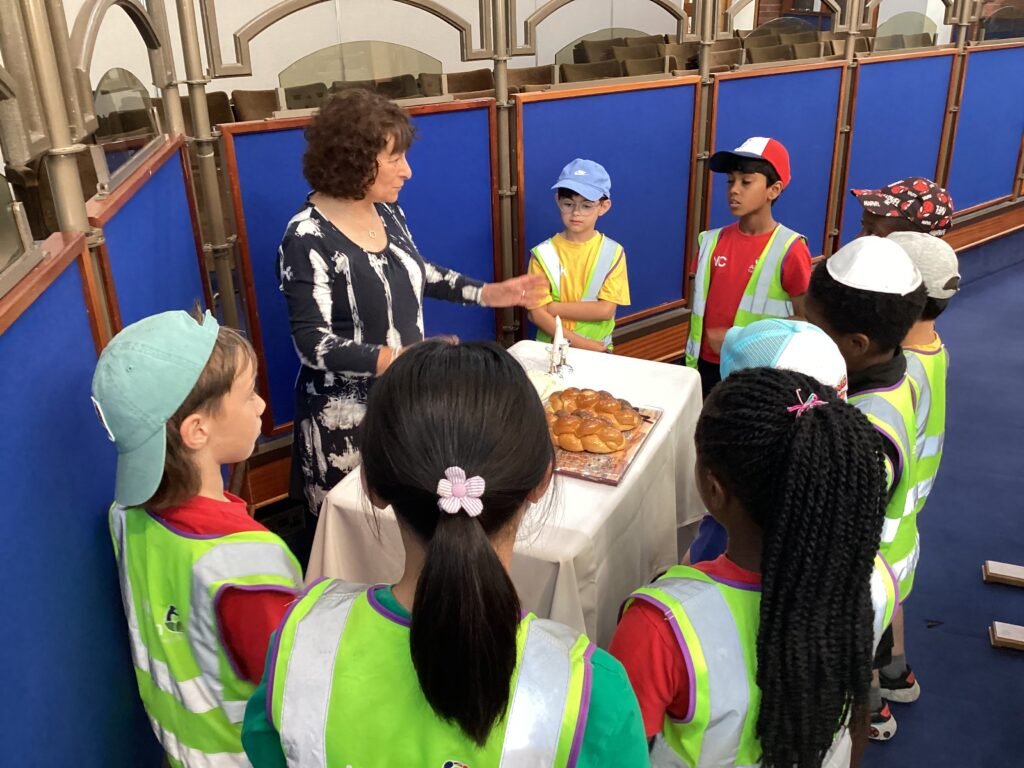
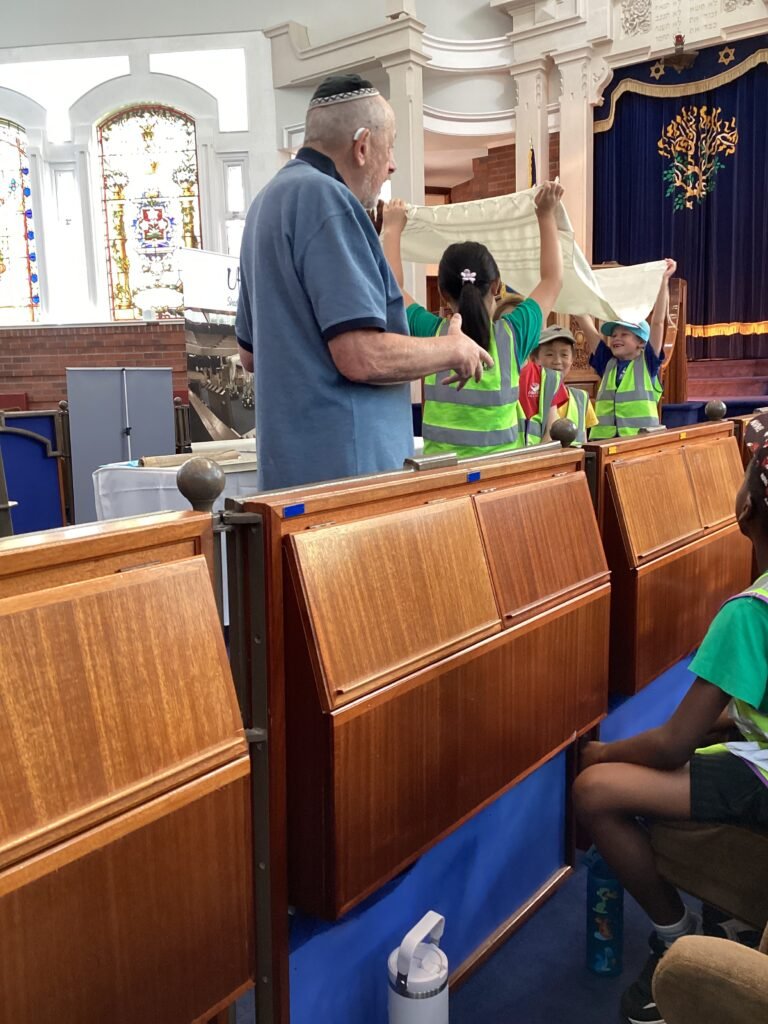
3BC enjoyed visiting the local synagogue today where we impressed everyone with our knowledge about Judaism and the synagogue and asked some thoughtful questions.
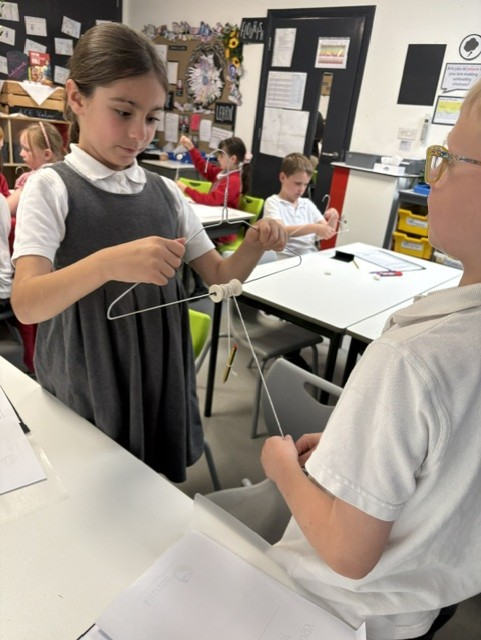
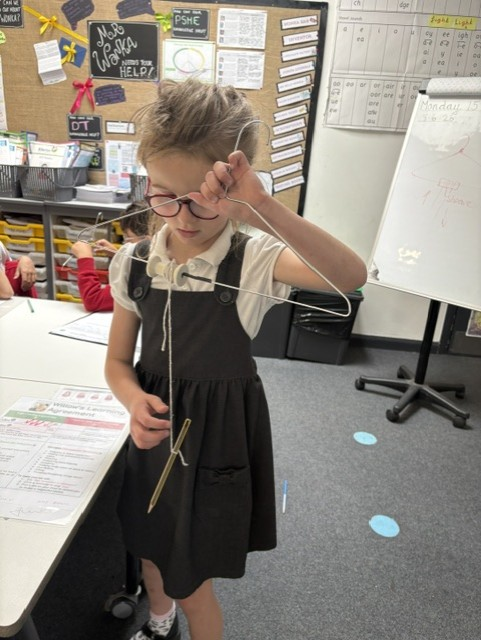
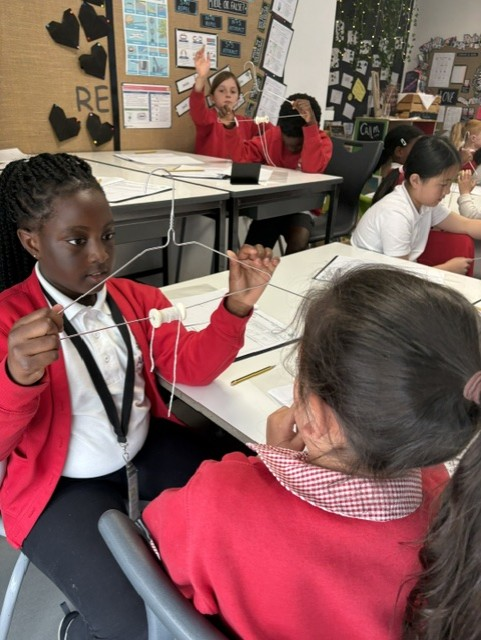
This half term got off to a spectacular start when 3BC received a very important, top-secret letter straight from Mr Willy Wonka himself! He was facing a massive crisis in his chocolate factory because all of his elevators had broken down, and the poor Oompa Loompas were simply too short to use the giant stairs. Mr Wonka asked our class if we could find a way to keep his Oompa Loompas active and moving, while also safely transporting heavy loads of chocolate up and down the factory floors. 3BC got researching right away and discovered that a pulley was exactly the mechanism for the job! We have been having so much fun exploring how this clever machine uses wheels and ropes to lift loads and we mocked on up of our own! We can and we can’t wait to develop our designs further and send these ideas back to the factory!
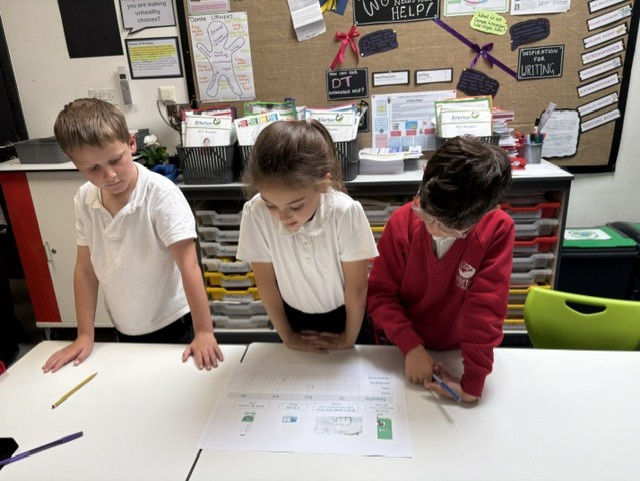
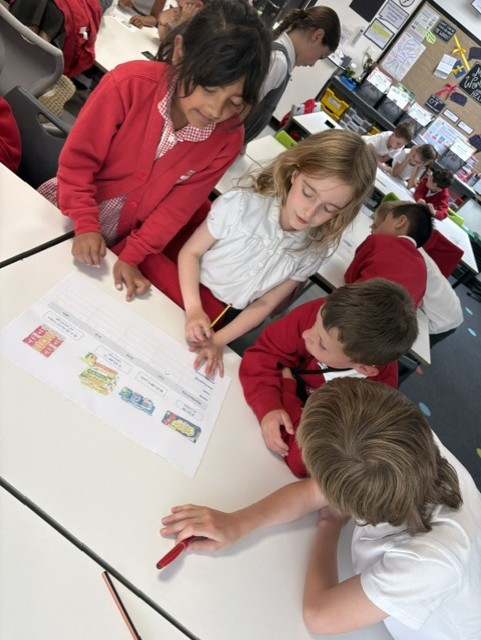
This week in PSHE, 3BC became savvy shoppers as we explored the choices behind how and why we buy products. We investigated whether our shopping habits are driven by delicious taste, eye-catching packaging appearance, or budget-friendly prices, discovering that shiny wrappers can sometimes trick us! To put our skills to the test, the children collaborated beautifully in teams to examine a range of similar everyday items, carefully comparing prices and sizes to determine which product truly offered the best value for money. Through teamwork and plenty of compromise, our super shoppers concluded that the most expensive or flashy brand isn’t always the best choice, and they are now fully equipped to help you spot the smartest deals on your next family supermarket trip!
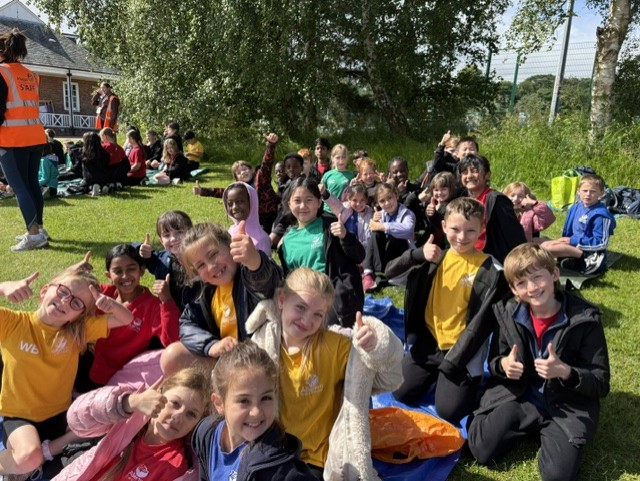
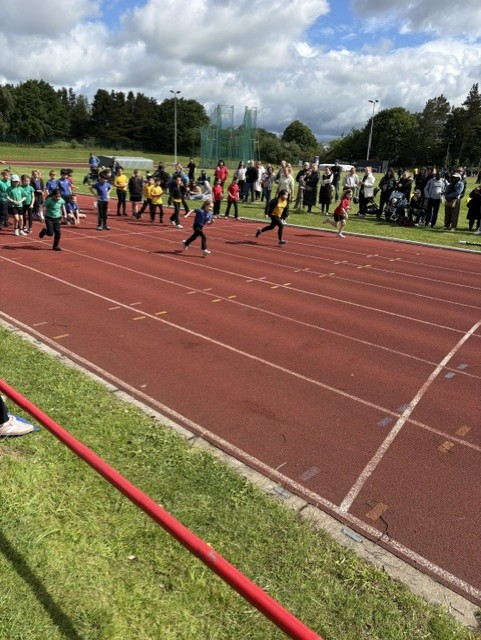
Sports Day wasn’t about who crossed the finish line first; it was about the staggering amount of effort, the roaring cheers that echoed across the field, and the mega resilience shown by absolutely everyone in 3BC. From digging deep in the final seconds to lifting each other up when the going got tough, our class proved that taking part and backing your teammates is where the real victory lies. We are one body of many parts and together we love learn and flourish!
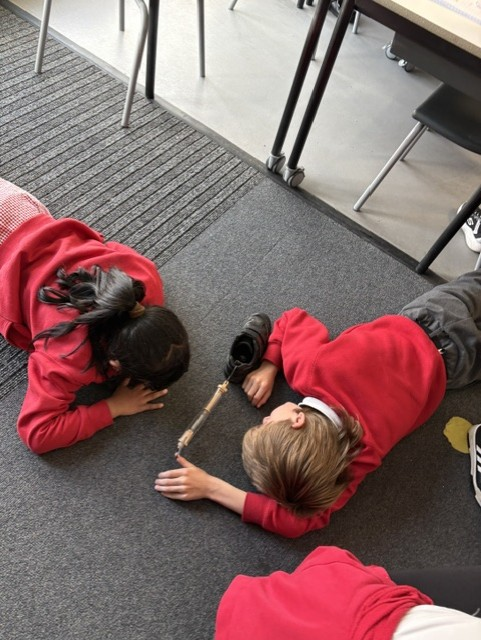
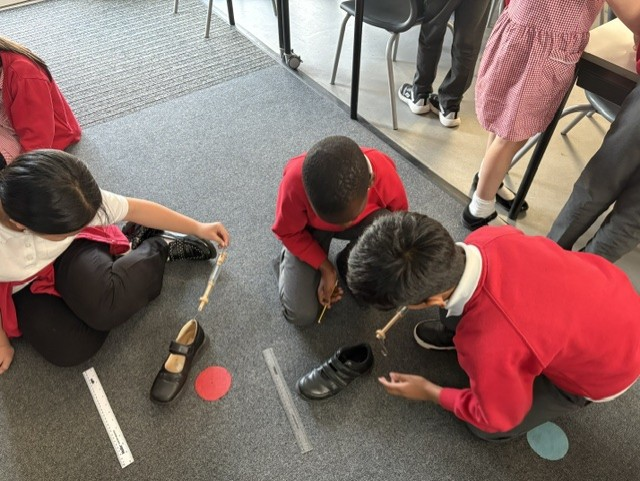
This week, 3BC scientists have been stepping into the world of physics. We have been learning all about forces—pushes, pulls and friction. To see forces in action, we set up an investigation! We wanted to find out: How do different surfaces affect how much friction there is? Friction is the force that happens when two surfaces rub together. It acts like a brake, slowing things down. To test this, we used a very special scientific tool called a newton meter, which measures force in Newtons. What surface do you think created the most friction? A. Lino B. Carpet or C. Table Top.
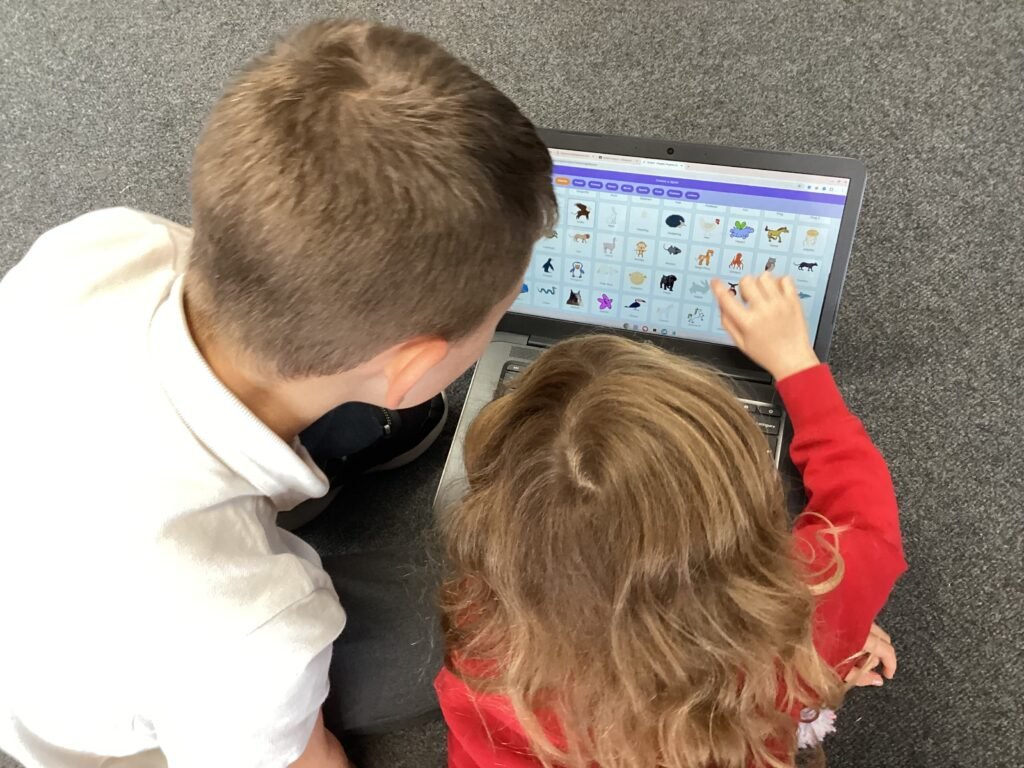
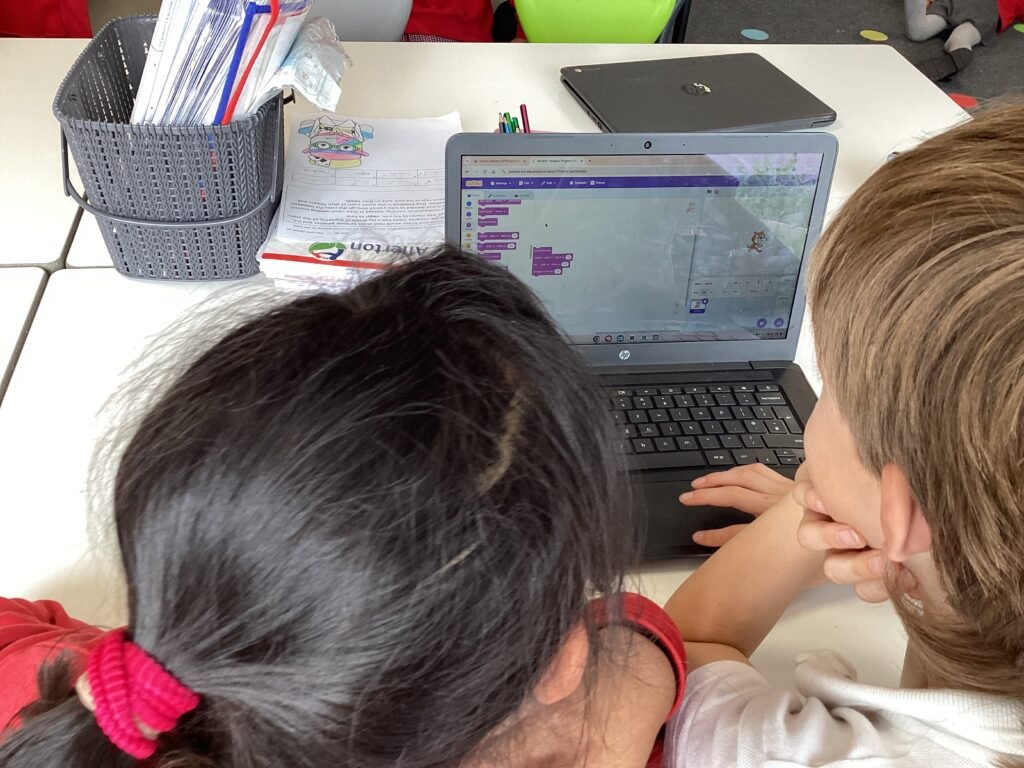
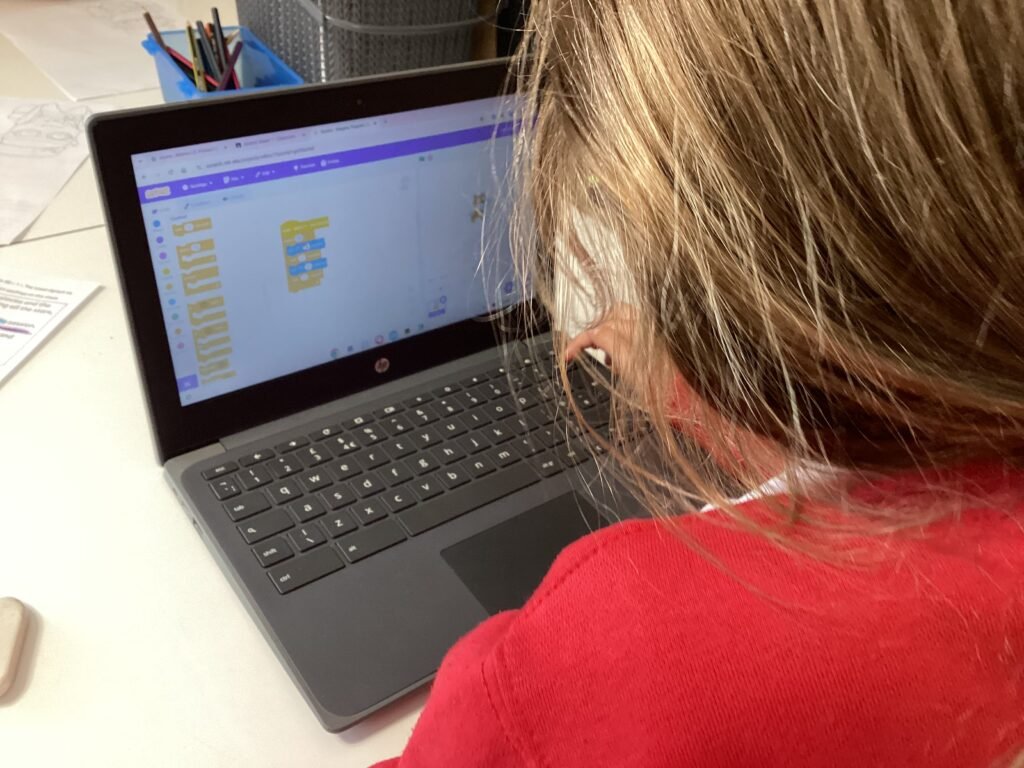
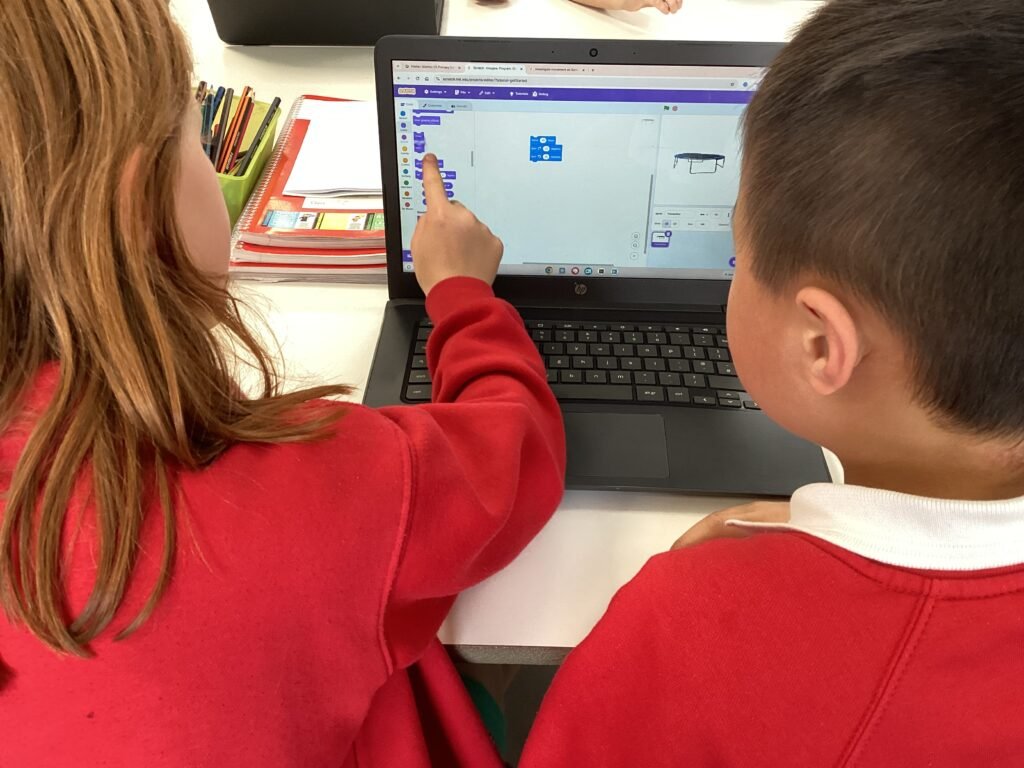
In our computing lesson today, we used the program Scratch (a block-based program that can be used to create projects). We worked collaboratively and used the command blocks to control the sprite. A sprite is a graphic object.
3BC have been making brilliant links between what we learnt in Year 2 about medicines and our new learning about drugs. We now know that a drug is a substance that changes how our bodies and minds work. We have been exploring which substances (other than medicine) fit this description and debating whether they are harmful, helpful, or both. The lesson generated some great conversations:
“Caffeine is okay because it is in coffee and chocolate, but it is not helpful to have too much cause you might get too energetic.” — Eliana
“I know tobacco can make you get really sick, like give you cancer, so that would be unhelpful.” — William
“Medicines are helpful, but it depends on how much you have, so I think it would be both.” — Amen
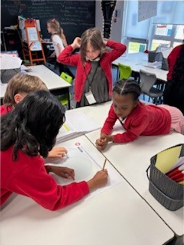
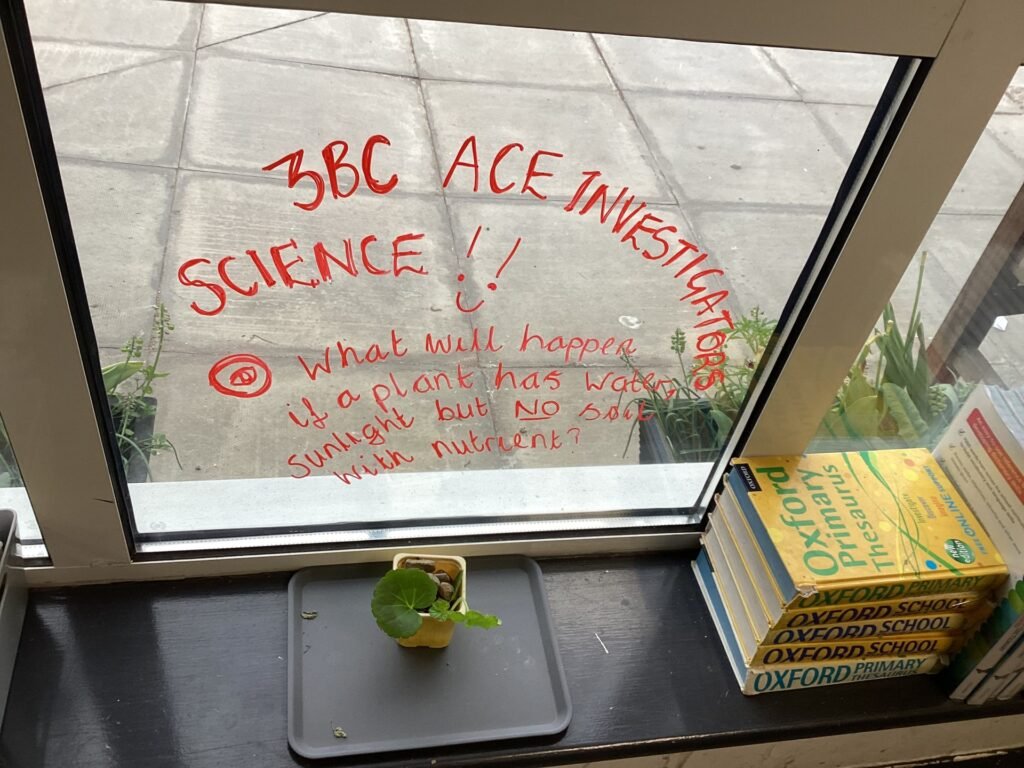
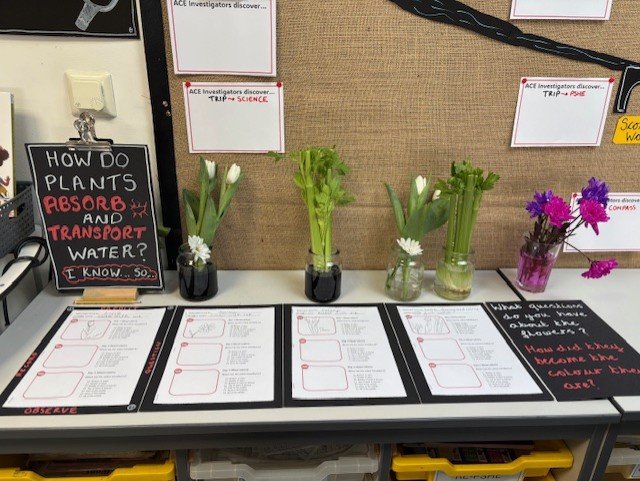
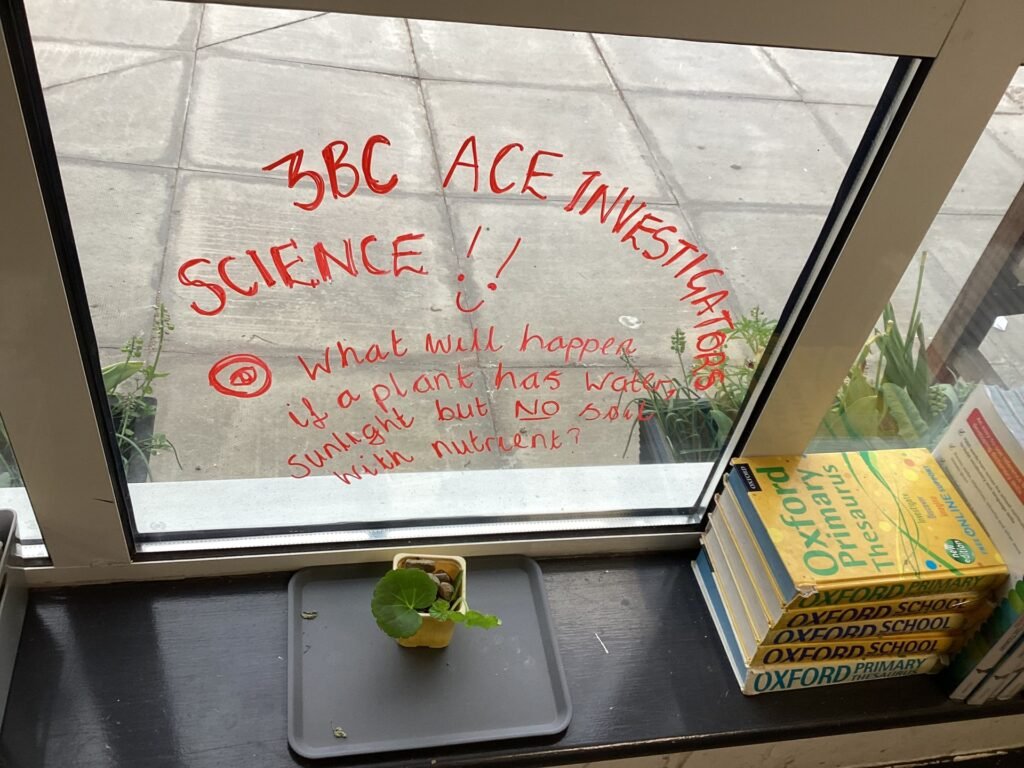
Building on what we’ve learned about the different functions of plant parts, 3 BC have been investigating like ACE scientists. We have been observing how water is transported through various plants—does the process differ in daisies, tulips, and celery? We’ve also been wondering how florists manage to get dyes into certain flowers, and what exactly happens when clear water is transported all the way to the petals. In addition to our classroom observations, we are carrying out a collaborative science experiment with the rest of Year 3. We are asking the big questions:
We will be sure to let you know our results soon!
3BC have been making brilliant links between what we learnt in Year 2 about medicines and our new learning about drugs. We now know that a drug is a substance that changes how our bodies and minds work. We have been exploring which substances (other than medicine) fit this description and debating whether they are harmful, helpful, or both. The lesson generated some great conversations:
“Caffeine is okay because it is in coffee and chocolate, but it is not helpful to have too much cause you might get too exergentic.” — Elianna
“I know tobacco can make you get really sick, like give you cancer, so that would be unhelpful.” — William
“Medicines are helpful, but it depends on how much you have, so I think it would be both.” — Amen
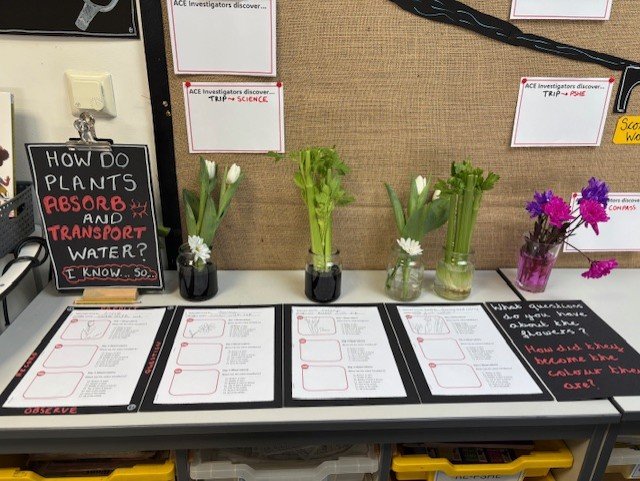
Building on what we’ve learned about the different functions of plant parts, 3 BC have been investigating like ACE scientists. We have been observing how water is transported through various plants—does the process differ in daisies, tulips, and celery? We’ve also been wondering how florists manage to get dyes into certain flowers, and what exactly happens when clear water is transported all the way to the petals. In addition to our classroom observations, we are carrying out a collaborative science experiment with the rest of Year 3. We are asking the big questions:
We will be sure to let you know our results soon!